Home
JAQForum Ver 24.01
Log In or Join  
Active Topics
Local Time 13:22 01 Sep 2026 Privacy Policy
Jump to

Notice. New forum software under development. It's going to miss a few functions and look a bit ugly for a while, but I'm working on it full time now as the old forum was too unstable. Couple days, all good. If you notice any issues, please contact me.

Forum Index : Microcontroller and PC projects : Tutorial: How to create a custom palette and convert images + examples

Author Message
Amnesie
Guru

Joined: 30/06/2020
Location: Germany
Posts: 763
Posted: 09:01pm 21 Aug 2025
Copy link to clipboard 
Print this post

Hi all,

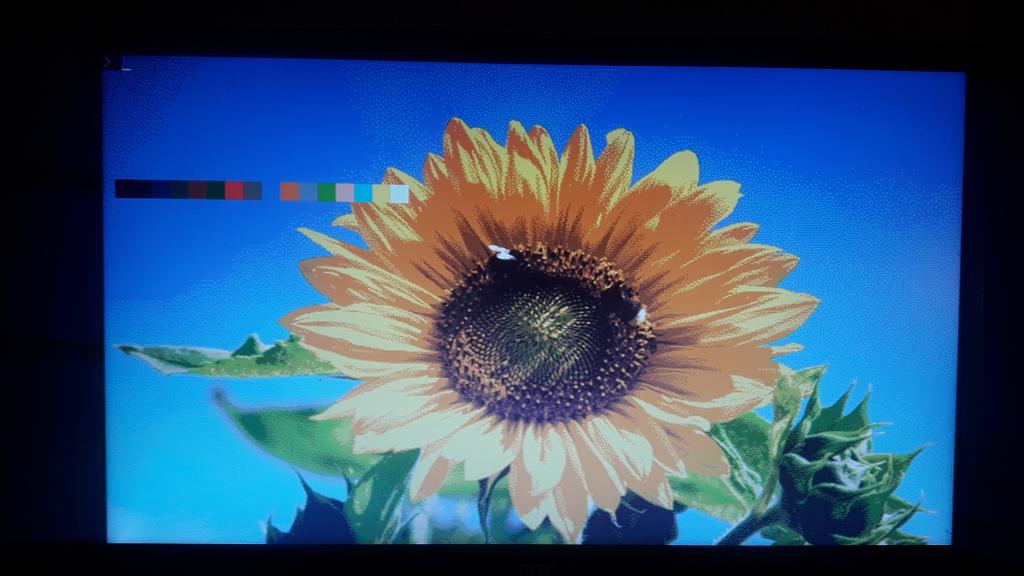
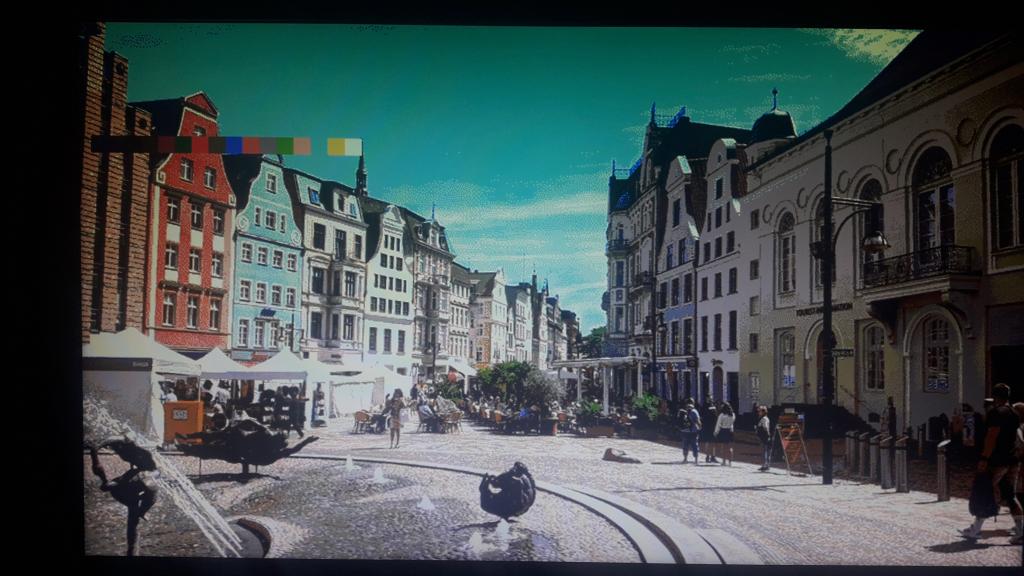
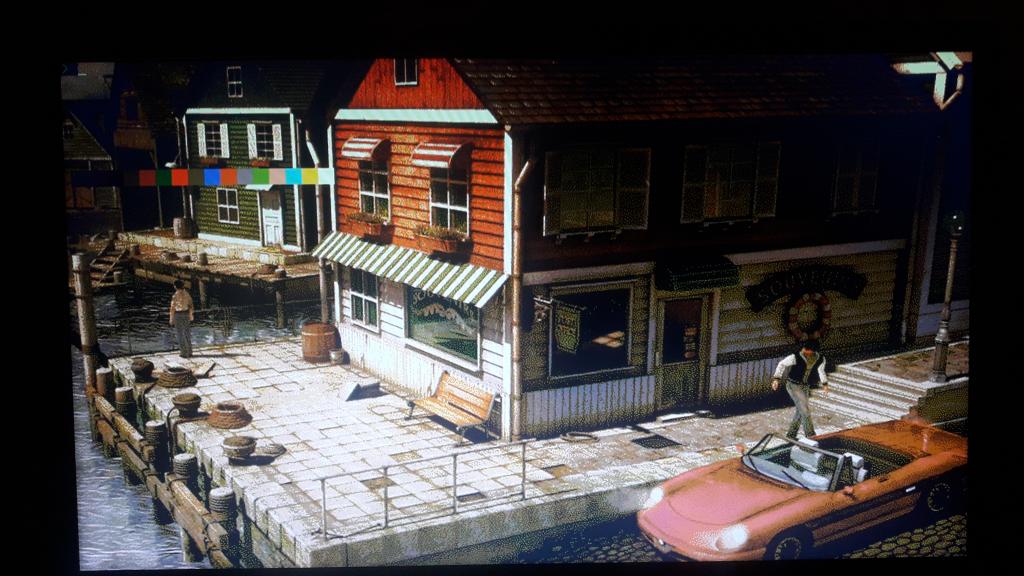
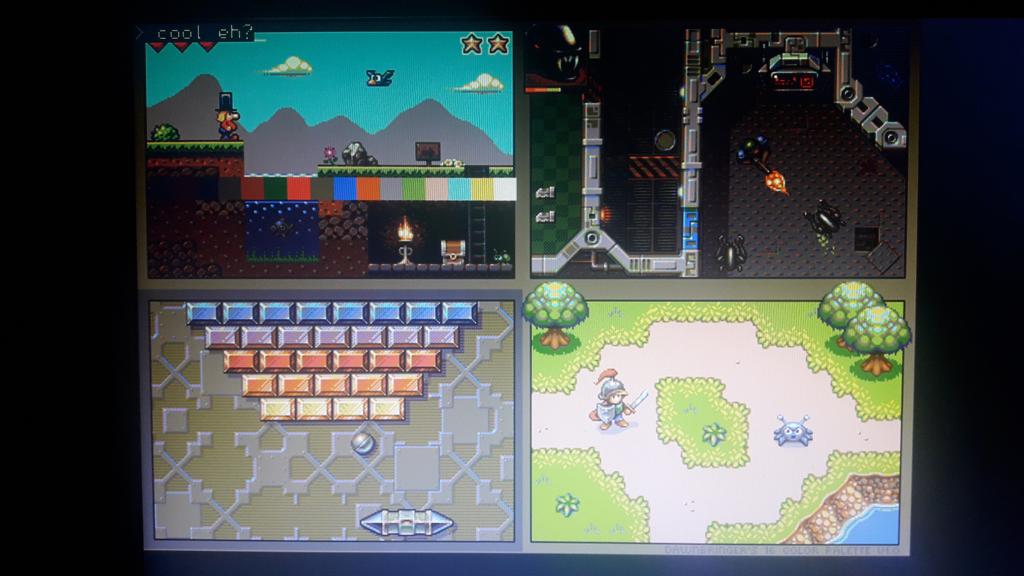
since Peter convinced me, that the HDMI version is far superior, I am playing with it a lot and made a tutorial and created some example images for custom palette.

You find here:

1. a basic program with a new custom palette which switches between custom and default

2. some example images (all in zip-file)

3. a quick "how to" for Photoshop users, but I am sure this applies to all other image tools!

First of all, this custom palette is NOT my own idea, but from this User from the Pixeljoint forum.

I simply love this palette, it is the perfect sweetspot for me. But you can choose others. Examples are all with this custom palette.

How can one convert any image to this custom palette? Follow this steps:

  Quote  
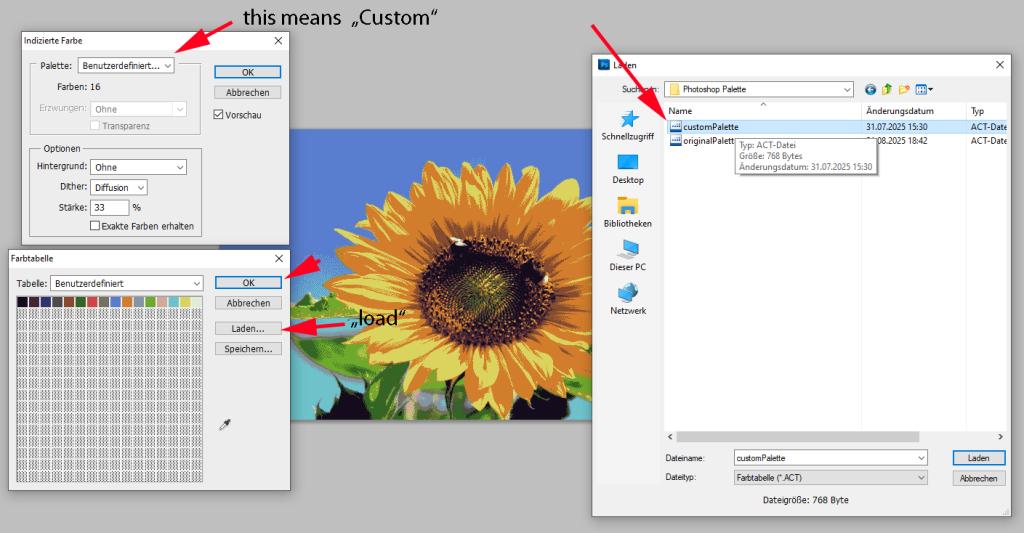
1. Create New Image (resolution 720x400, RGB)

2. Load an image of interest

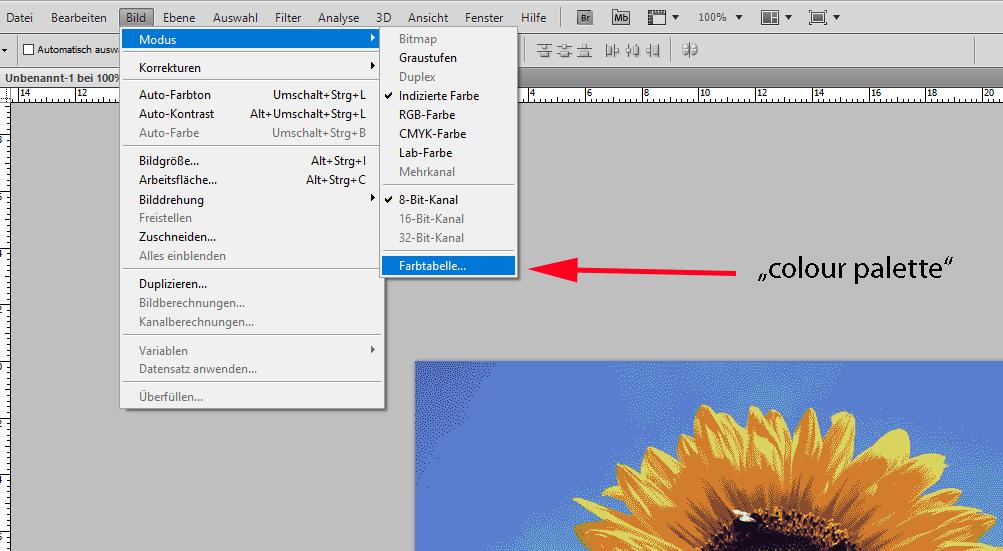
3. Click Image -> Mode -> Indexed Color

4. Load (first customPalette)

5. Click OK

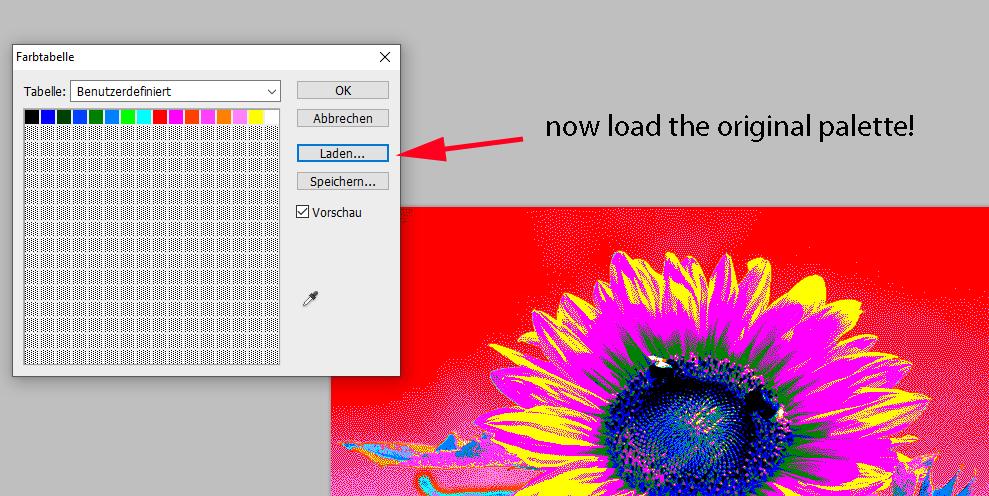
6. This time load originalPalette

7. Click OK

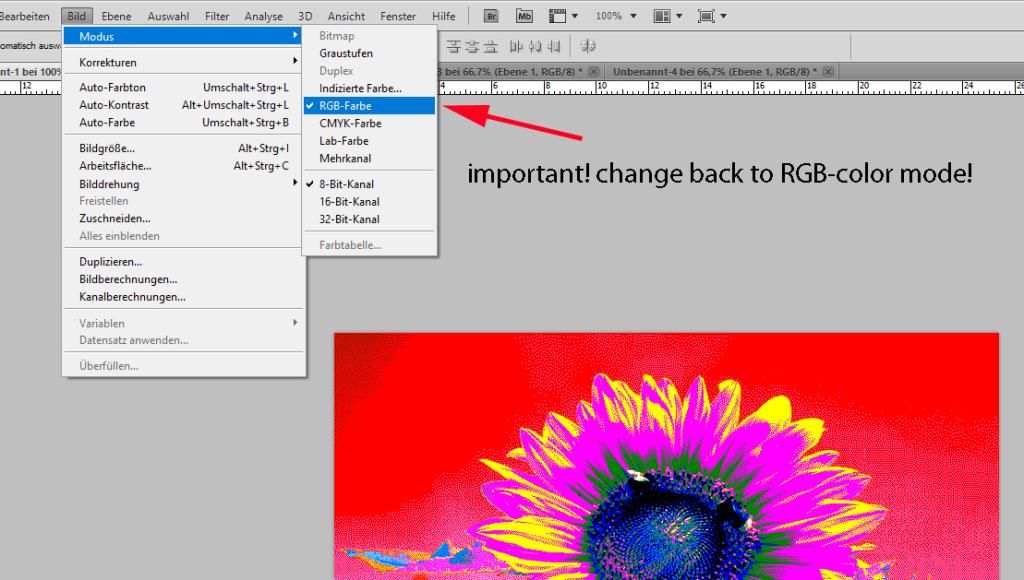
8. Change Image Mode to RGB-Color

9. Save as 24-bit bmp image


How does it look?


I am really suprised how good this looks. Maybe the time has come for a Point & Click Adventure game?  

In my zip- file you can find:

- Example Images seen here
- The basic program with the custom palette
- RGB color values
- and the Photoshop Color Palettes (Pico original / custom)


custom palette example.zip


have fun!

Greetings
Daniel
 
lizby
Guru

Joined: 17/05/2016
Location: United States
Posts: 3872
Posted: 11:13pm 21 Aug 2025
Copy link to clipboard 
Print this post

Nice work. Congratulations. Looking very good.
PicoMite, Armmite F4, SensorKits, MMBasic Hardware, Games, etc. on FOTS
 
Grogster

Admin Group

Joined: 31/12/2012
Location: New Zealand
Posts: 10030
Posted: 06:52am 22 Aug 2025
Copy link to clipboard 
Print this post

Excellent.    
Smoke makes things work. When the smoke gets out, it stops!
 
Martin H.

Guru

Joined: 04/06/2022
Location: Germany
Posts: 1522
Posted: 02:43pm 22 Aug 2025
Copy link to clipboard 
Print this post

awsome Daniel
'no comment
 
Peter63
Senior Member

Joined: 28/07/2017
Location: Sweden
Posts: 205
Posted: 05:46am 23 Aug 2025
Copy link to clipboard 
Print this post

jepp  
 
AlbertR
Senior Member

Joined: 29/05/2025
Location: Germany
Posts: 110
Posted: 02:59pm 28 Aug 2026
Copy link to clipboard 
Print this post

Hi Daniel,

since my lemmings were always scattering among the rocks, I wanted to take a closer look at the color palettes.

As you suspected, other programs work in a similar way.
  Quote  
3. a quick "how to" for Photoshop users, but I am sure this applies to all other image tools!

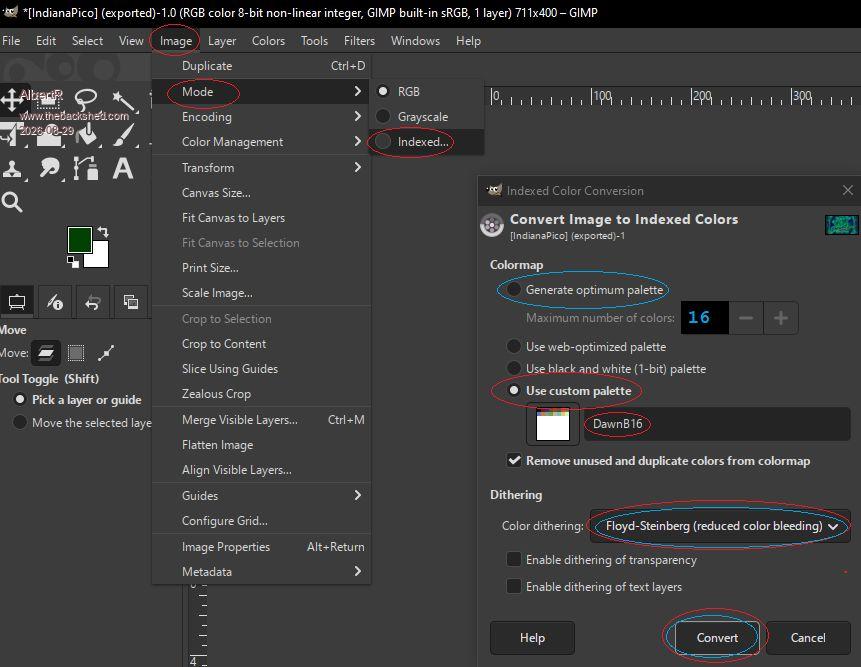
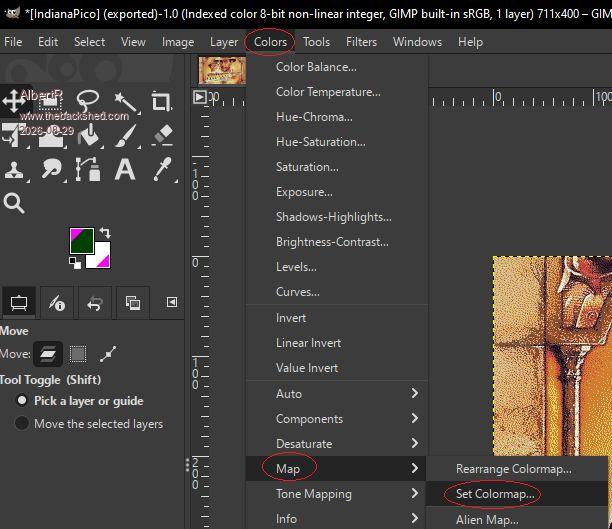
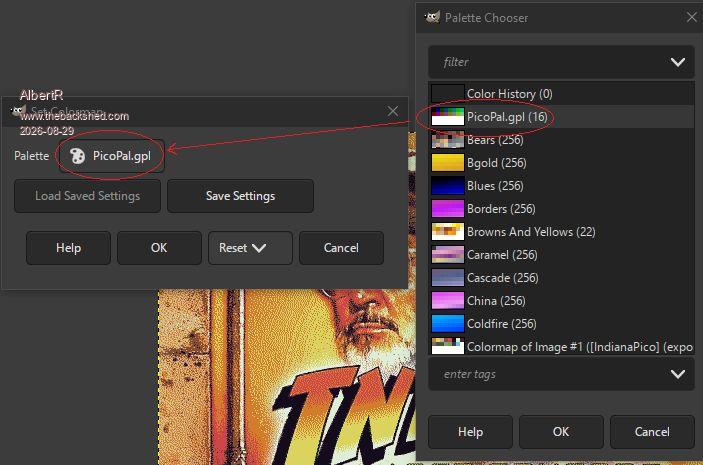
I recreated it using GIMP.


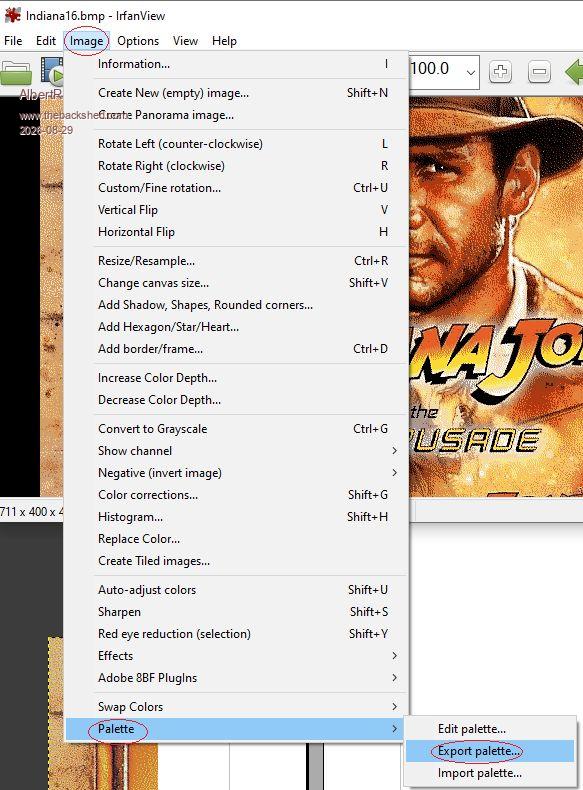
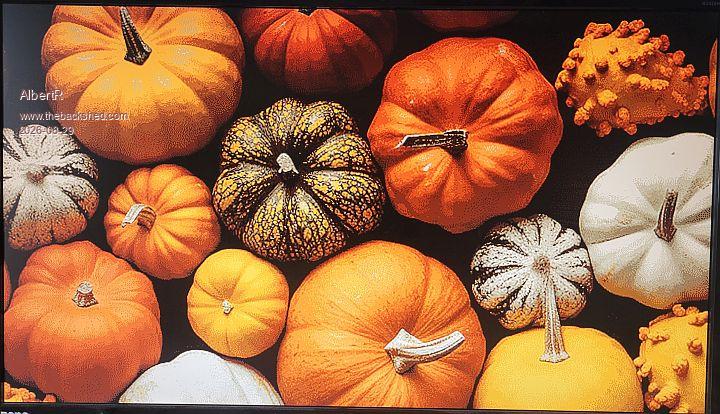
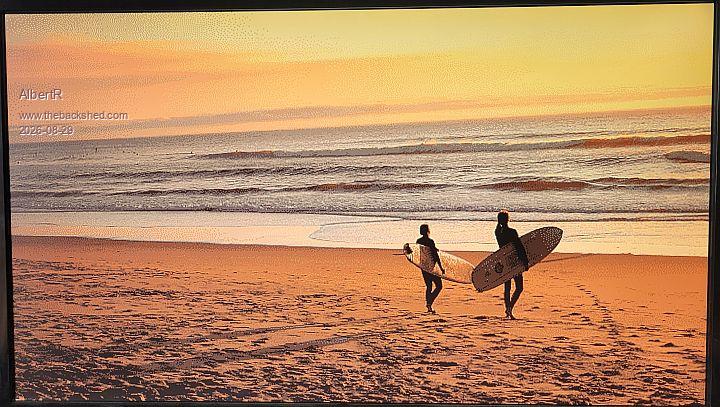
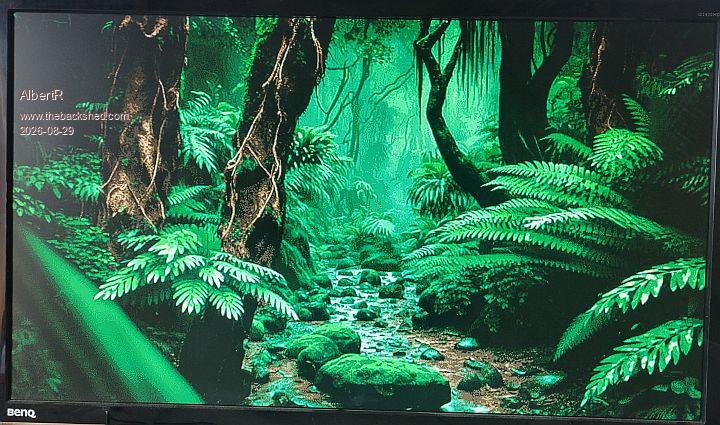
I also tried “generate optimum palette”, and it worked really well. Before I applied the Pico palette, I saved the palette using IrfanView. I found the IrfanView format the easiest to import in the basic-program.


But I've never needed to save the files in 24-bit format—I only use 4-bit. That way, the files are smaller and load faster. Has anything changed in MMBasic since then?
If the image is rendered in a single color tone, the images look pretty good even with just 16 colors.


also a zip- file with

- Example Images and there Pal-files
- a slideshow-program for the directory
- and the Gimp Palettes  DawnB16.gpl(Daniel org),PicoPal.gpl(Pico org)

Mode3SlideShow4bit.zip

for inspiration.

Regards
Albert
 
Print this page


To reply to this topic, you need to log in.

The Back Shed's forum code is written, and hosted, in Australia.
© JAQ Software 2026